If you’re dreaming about doing a lap of Australia, one of the first planning questions that comes up is:
When is the best time of year to travel around Australia?
At first it seems like a simple question, but once you start planning a Big Lap you quickly realise that timing can affect a lot of things.
Things like:
- weather conditions across different regions
- peak travel seasons and pricing
- how crowded popular destinations are
- what kind of setup you’re travelling in
- and how comfortable your family will be along the way
For families planning a Freedom Lap, timing can make a big difference not only to comfort, but also to how much the trip costs overall.
Why Timing Matters When Travelling Australia
Australia is a huge country with dramatically different climates.
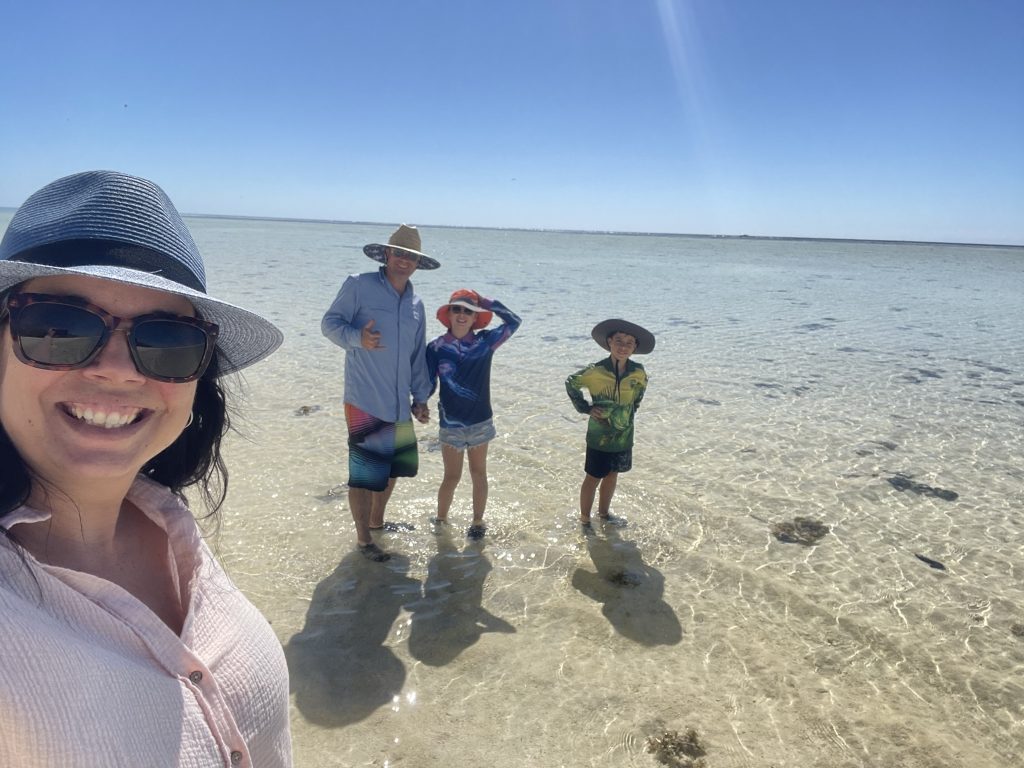
While it might be winter in Victoria, it can still be warm and dry in parts of northern Australia.
Travelling at the wrong time of year could mean dealing with things like:
- extreme summer heat in the outback
- tropical wet seasons in northern Australia
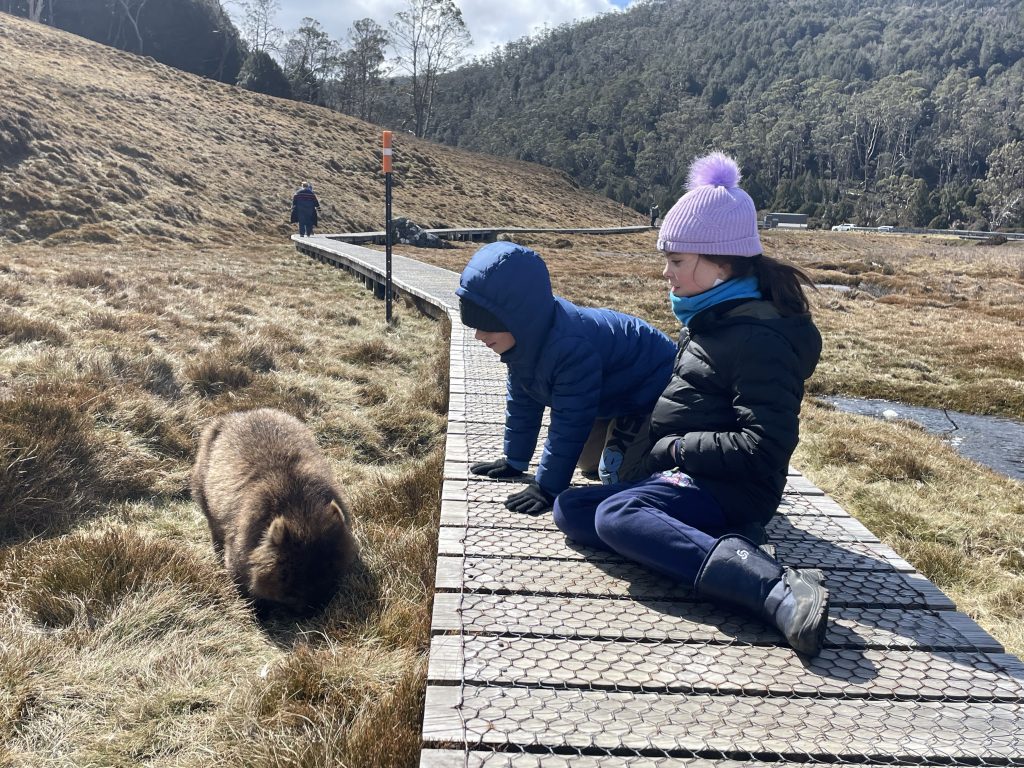
- cold winter nights in the southern states
Planning your route around the seasons helps you avoid these extremes and enjoy each region at its best.
Understanding Peak, Shoulder and Off Seasons
Another factor worth considering is how travel seasons affect pricing and crowds.
Most destinations operate within three general travel seasons.
Peak Season
Peak travel periods usually occur during:
- Australian school holidays
- Christmas and New Year
- Easter long weekends
During these times you’ll often find:
- caravan parks booked out well in advance
- higher accommodation prices
- busy tourist attractions
For families tied to school holidays this can be unavoidable, but if you have flexibility it can make a big difference to travel costs.
Shoulder Season
Shoulder seasons sit just before and after peak travel periods.
For many travellers this is the sweet spot.
Benefits of shoulder season travel include:
- fewer crowds
- better availability at caravan parks
- lower accommodation prices
- comfortable weather in many regions
Many experienced travellers aim to visit iconic locations during shoulder seasons to avoid crowds and paying peak prices.
Off Season
Off season varies depending on the region.
Examples include:
- summer in northern Australia
- winter in southern states
Travelling during off season can mean quieter destinations and lower prices, but weather conditions can sometimes be more challenging.
For example, northern Australia experiences a wet season between November and April, which can affect road access in some areas.
Following the Seasons Around Australia
Many travellers planning a Big Lap choose to follow the seasons around the country.
A typical seasonal travel pattern often looks like this.
Summer (December – February)
Spend time exploring the southern states, including:
- Victoria
- Tasmania
- South Australia
- southern Western Australia
These regions are at their best during summer.
Autumn (March – May)
Autumn is often considered one of the best times to travel in Australia.
Temperatures are mild across much of the country, making it a comfortable time to move between regions.
Winter (June – August)
Winter is ideal for exploring northern Australia, including:
- northern Queensland
- Northern Territory
- northern Western Australia
This is the dry season in many northern areas, with cooler temperatures and clearer weather.
Spring (September – November)
Spring is a beautiful time to explore inland Australia and gradually move back toward the southern states before summer heat returns.
Travelling in a Caravan: Comfort Matters
If you’re travelling with a caravan, seasonal planning becomes even more important.
Caravans offer fantastic flexibility, but they don’t always handle extreme temperatures as comfortably as a house.
During winter in the southern states, overnight temperatures can drop quite low.
Many caravanners choose to install or carry a diesel heater to stay comfortable when camping in colder conditions.
If you enjoy off-grid camping, heating options can make a big difference to comfort.
Similarly, travelling through the outback during peak summer can be extremely hot, which is another reason many travellers follow seasonal routes around Australia.
Avoiding the Crowds at Iconic Locations
Another strategy many experienced travellers use is timing visits to iconic destinations during shoulder seasons.
Places like:
- Uluru
- the Great Ocean Road
- Kakadu National Park
- the Kimberley
can become extremely busy during peak travel periods.
Visiting just outside peak seasons often means:
- fewer crowds
- better campsite availability
- lower prices
For families travelling long-term, this flexibility can make the experience far more enjoyable.
How We’re Thinking About Our Own Freedom Lap
Like many parts of planning a Freedom Lap, working out the best time of year to travel Australia is something we’re still thinking through as a family.
Living in Central Queensland, we’re already used to warm weather, so the heat itself doesn’t worry me too much. But one thing we are thinking about carefully is how to prepare for colder conditions in the southern states, which will be quite different from what we’re used to in the tropics.
Because of that, we’re planning to equip our caravan with a diesel heater so that we’re comfortable if we find ourselves camping in colder areas.
Another idea that makes sense to me is starting our lap around July.
Beginning a Freedom Lap at the end of the financial year feels like a neat and practical starting point. It gives us a clean break between working life and travel planning, and it also lines up nicely with seasonal travel patterns around Australia.
Our current thinking is to travel anti-clockwise, heading north first during the cooler months and gradually making our way south.
That would allow us to explore northern Australia during the dry season before eventually reaching the southern states during summer when the weather is warmer.
Of course, this is still part of the planning process for us. Like many families dreaming about travelling Australia, we’re learning as we go and figuring out what timing will work best for our family.
Planning the Timing of Your Big Lap
There’s no single “perfect” time to travel around Australia.
The best timing depends on things like:
- how long you plan to travel
- your family schedule
- weather preferences
- whether you want to avoid peak tourist periods
For many families planning a Big Lap, the ideal approach is to travel slowly and follow the seasons, adjusting your route as you go.
If you’re still working through the practical side of planning a long trip, these guides may help:
👉 https://thefreedomlap.com/how-long-does-the-big-lap-of-australia-take/
👉 https://thefreedomlap.com/cost-of-travelling-australia/
A Final Thought
One of the beautiful things about travelling Australia is that there’s always somewhere incredible to explore.
By planning your route around the seasons, avoiding peak travel periods where possible, and travelling at a pace that suits your family, you can create a journey that’s both comfortable and affordable.
And for many families, that’s when the dream of a Freedom Lap really starts to take shape.
If you’re curious about how families create more flexibility to make long-term travel possible, you can learn more about what I’m currently exploring here: